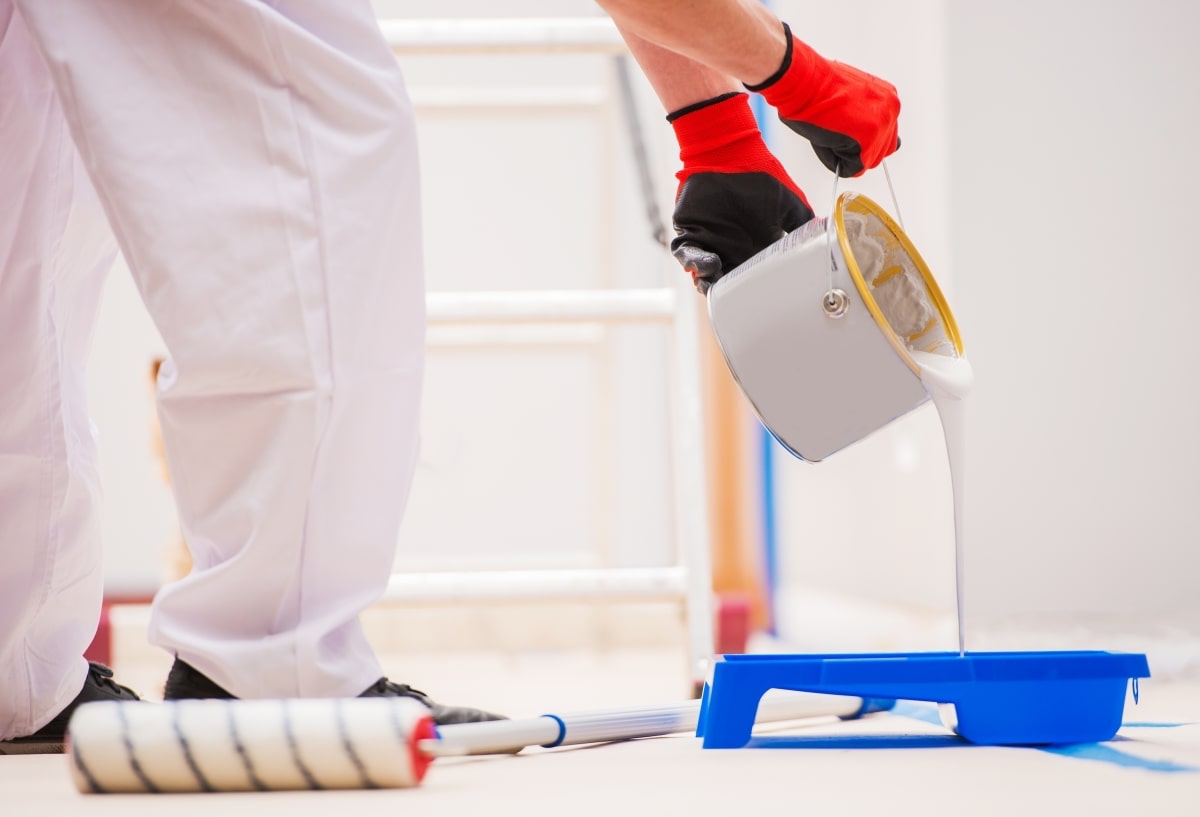
Common paint issues like peeling, blistering, and uneven textures often stem from poor surface preparation or improper application, but they are easily fixed. Solutions involve cleaning surfaces, ensuring proper drying times, and using high-quality materials to prevent moisture intrusion, cracking, and fading, ensuring a durable, professional finish.
Here are 7 common paint problems and their solutions:
- Peeling/Flaking: Caused by poor adhesion, moisture, or painting over damp/dirty surfaces. Solution: Scrape off loose paint, sand, clean, and use a high-quality primer before repainting.
- Blistering (Bubbles): Occurs when heat or moisture becomes trapped under the paint film. Solution: Ensure the surface is completely dry, scrape bubbles, sand, and use a breathable paint.
- Alligatoring/Cracking: A patterned, cracked finish caused by applying a topcoat before the undercoat is dry or using incompatible paints. Solution: Remove the old paint by sanding or scraping, prime, and repaint.
- Mildew/Mold: Appears as black, gray, or green spots in damp, low-light areas. Solution: Scrub with a mixture of bleach and water (1:3 ratio), rinse, and use a mildew-resistant paint.
- “Orange Peel” Texture: A bumpy, uneven texture usually caused by improper spraying or using a roller with the wrong nap. Solution: Sand the surface smooth, then re-apply paint using the correct technique or roller.
- Chalking: A powdery residue on the surface caused by the paint binder breaking down, often due to sunlight. Solution: Remove by washing or wire-brushing, then apply a high-quality latex paint.
- Slow Drying/Tackiness: Paint remains sticky, often caused by high humidity or applying thick coats. Solution: Ensure proper ventilation, use a dehumidifier, and apply thinner, multiple coats rather than one heavy coat.
Pro-Tip: Proper preparation—cleaning, sanding, and priming—is the most effective way to avoid 90% of these common paint problems.
