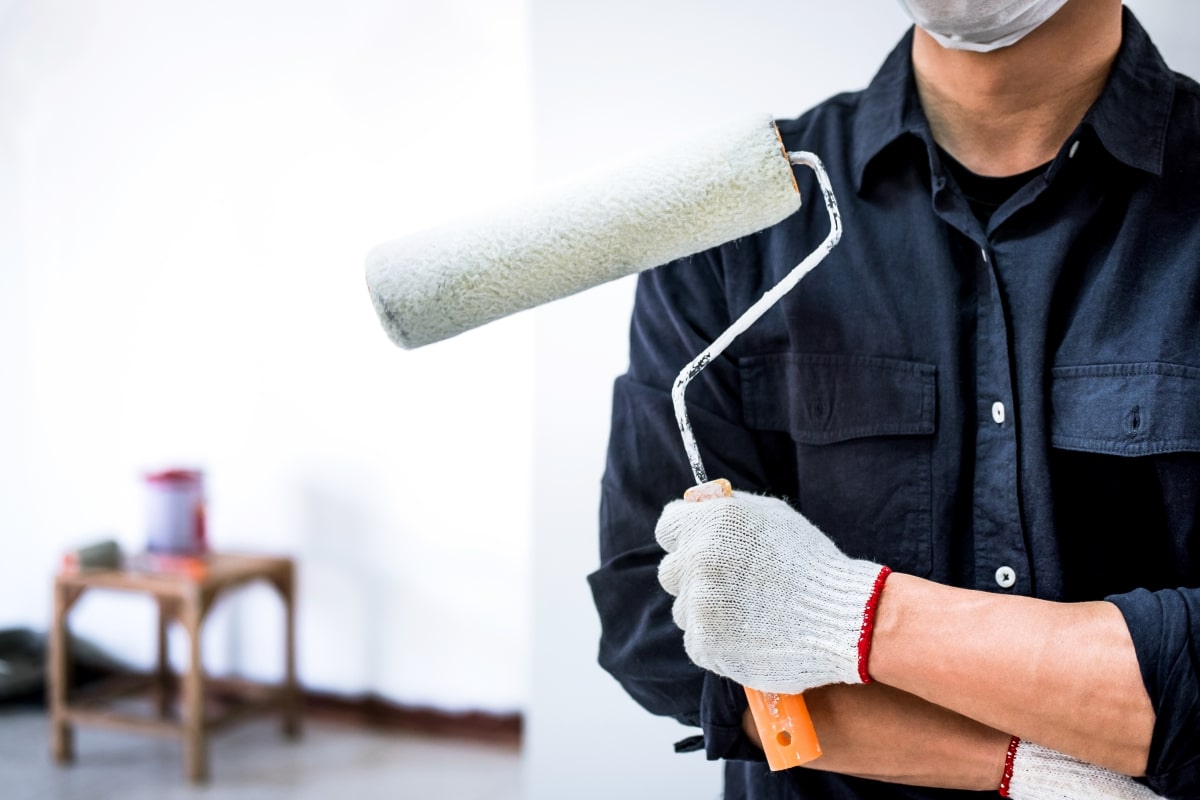
Painting your interior is one of the most cost-effective ways to transform a home, but achieving a professional-looking finish requires more preparation than actual painting. By following a structured approach, you can turn a DIY project into a polished, high-quality result.
Here is a step-by-step guide to painting your interior like a pro.
1. Gather Essential Tools
Don’t start with inferior tools, as they can cause streaks or leave lint in your paint. You will need:
- Paint & Primer: Quality, high-hiding paint.
- Brushes & Rollers: A 2-to-3 inch angled sash brush for “cutting in” and a 9-inch roller with a 3/8-inch nap for walls.
- Extension Pole: Essential for painting without back pain and covering more area quickly.
- Prep Gear: Quality painter’s tape (blue or green), canvas drop cloths, spackling compound, and 220-grit sandpaper.
- Safety: Goggles and a mask.
2. Prepare the Room
Prep work is 90% of a great paint job.
- Clear the Room: Remove furniture, or move it to the center and cover with plastic.
- Remove Fixtures: Take off outlet covers and light switch plates.
- Clean the Walls: Dust, then wash walls with soap and water or TSP to remove grease.
- Repair Damage: Fill holes with spackle, let dry, then sand smooth.
- Tape Off: Apply painter’s tape to trim, baseboards, and windows. Press it down firmly to prevent leaks.
3. Prime the Surfaces
If you are making a drastic color change (e.g., light to dark) or painting over porous, patched, or bare drywall, apply a primer. This ensures a consistent finish, prevents “flashing” (uneven sheen), and improves adhesion.
4. The Painting Process
To avoid drips, follow the proper order: Ceiling, then Walls, then Trim.
- “Cut In” the Edges: Use your angled brush to paint a 2-to-3 inch border along the ceiling line, corners, and baseboards.
- Roll the Walls: Use a 9-inch roller to apply paint in a “W” or “M” pattern, filling in the section as you go to ensure even distribution.
- Maintain a “Wet Edge”: Always work from dry areas back into the wet edge of the previously painted section. This prevents visible lap marks.
- Apply Two Coats: Almost all projects require two coats for full coverage.
5. Final Steps
- Remove Tape Safely: Remove the painter’s tape while the second coat is still slightly tacky to avoid pulling off dried paint.
- Clean Tools: Clean rollers and brushes with warm, soapy water for latex-based paints.
Pro Tips for Success
Stop at Corners: If you must take a break, always stop at a corner to make the restart less noticeable.
Use an Extension Pole: It isn’t just for high places; it allows for better, more even pressure.
Burnish Your Tape: Run a putty knife over your tape to create a tight seal, reducing seepage.
